
The world needs you. Not someday. Not after somebody else finally fixes everything. Not after the perfect leader, perfect movement, perfect economy, perfect technology, or perfect plan shows up. The world needs the part of you that is willing to stop waiting and start taking responsibility for the assignment that is right in front of you.
I understand why people want to believe there is a hidden plan. When the world feels chaotic, it is comforting to imagine that someone powerful is secretly handling all of it behind the scenes. It lets us breathe for a minute. It gives us a story that says, “I do not have to act yet because somebody else has this under control.” But that kind of comfort can become a trap. Passive hope is not the same thing as faith. Waiting for rescue is not the same thing as wisdom. And outsourcing your responsibility to unknown people you cannot see is not leadership.
There is a better way. You can have hope without becoming passive. You can believe God is at work without ignoring the work He put in your hands. You can care deeply about what is broken without trying to become the savior of the entire world. That balance matters, because if you swing too far in either direction you either give up your power or you take on a weight that was never yours to carry.
Action does not have to be dramatic to be faithful. When the situation feels messy or unfair, taking massive action in hard situations can help you move from passive frustration into responsible momentum.
Why “Trust The Plan” Becomes Dangerous
The phrase “Trust The Plan” sounds spiritual, strategic, and comforting. The problem is not trust. The problem is when trust becomes an excuse to stop moving. If the plan means you are praying, thinking clearly, gathering wise counsel, and taking courageous steps, great. But if the plan means you are waiting for mysterious people to solve problems while you scroll, speculate, and detach from real responsibility, that is not a plan. That is avoidance dressed up as optimism.
Real change is usually not dramatic at first. It looks like one person telling the truth. It looks like a coach helping a client break a destructive pattern. It looks like a parent choosing patience instead of rage. It looks like a business owner refusing to manipulate people for money. It looks like a leader showing up when everybody else is exhausted. If you want a deeper look at why your influence matters in an age of rapid change, read why we must influence the future of technology for good.
When people wait for an invisible rescue plan, they often lose the muscle of discernment. They stop asking, “What is mine to do?” They stop looking for the person they can help today. They stop building. They stop repenting. They stop developing skills. They stop creating solutions. Over time, they confuse watching with participating. That is dangerous because the world does not get better through spectators. The world gets better when people take truthful, wise, courageous action.
Do Not Confuse Responsibility With A Messiah Complex
Now let me say the other side clearly: you are not the messiah. You are not responsible to fix every injustice, solve every crisis, rescue every person, or carry every burden you see. There is a thin line between accepting your responsibility and developing a savior complex. One leads to maturity. The other leads to burnout, control, and resentment.
Healthy leadership says, “I will do what is mine to do.” An unhealthy messiah complex says, “Everything depends on me.” Healthy courage says, “I can make a difference.” Pride says, “No one else can be trusted unless I am in control.” You do not need to control the entire chessboard to be faithful with your next move.
This is where humility matters. You can be bold and still be teachable. You can be decisive and still listen. You can lead and still allow others to carry their own part. The world does not need another ego trying to dominate the room. The world needs people who are strong enough to take action and humble enough to know they are part of something bigger than themselves.
Your Courage Is Not Optional
Fear will always give you a reason to stay quiet. It will tell you that you are not qualified, that you do not have enough proof, that people will criticize you, that you might fail, that it is safer to wait. But if you wait until you feel completely ready, you may wait your whole life. Confidence often comes after obedience, not before it. If that hits something in you, building confidence without a track record is worth reading next.
The people you are called to help do not need your perfection. They need your willingness. They need your voice, your conviction, your story, your skills, your compassion, your leadership, and your consistency. They need the version of you that stops hiding behind the excuse that someone else is probably more qualified.
There are dreams you have buried because other people did not understand them. There are ideas you keep minimizing because you are afraid of being judged. There are solutions you keep delaying because you do not want the responsibility that comes with success. But if the thing inside you keeps coming back, pay attention. God often places burdens, desires, and convictions inside people because someone else needs what they carry.
That does not mean every impulse is divine direction. It means you have to become mature enough to test what you are carrying, seek wisdom, and move forward without demanding universal approval. If other people have been a constant source of discouragement, read how to stop letting other people block your dreams.
Small Action Is Still Action
One reason people stay passive is because they think action has to be huge to matter. They look at global problems and assume anything small is pointless. That is a lie. Small actions compound. A conversation can change a life. A boundary can protect a family. A piece of content can wake someone up. A generous decision can restore hope. A business built with integrity can employ people, serve people, and fund solutions you could not fund before.
Do not despise small beginnings. If all you can do today is make one phone call, make the call. If all you can do is write the first outline, write it. If all you can do is apologize, do it. If all you can do is serve the person in front of you, serve them well. The world changes through repeated acts of responsibility, not through fantasy.
This is also why waiting for perfect scenarios is so destructive. Perfect conditions are usually a delay tactic. You can always find a reason the timing is wrong. You can always find a reason to wait until you are more educated, more funded, more healed, more connected, or more certain. But at some point, waiting becomes disobedience. For more on that pattern, see why waiting for perfect scenarios becomes a path to failure.
Hope Requires Participation
Hope is not denial. Hope looks at the darkness honestly and still chooses to light a candle. Hope does not pretend evil is imaginary. Hope refuses to let evil have the final word. That is the kind of hope we need right now: not shallow positivity, not conspiracy comfort, not spiritual bypassing, but courageous participation.
You can pray and also plan. You can believe and also build. You can trust God and also use your hands. You can rest and also take responsibility. Mature hope does not remove agency. Mature hope activates agency. It says, “If I am still here, then there is still something for me to do.”
Ask yourself a better set of questions: What problem keeps bothering me because I may be assigned to it? Who is already in my life that I can serve with more courage? What skill do I need to develop instead of complaining that no one is doing anything? What conversation have I avoided because I am afraid of the outcome? What would I do this month if I stopped waiting for permission?
Choose Your Assignment And Start Moving
The world does not need you to perform outrage for attention. It needs you to become useful. It needs you to grow in wisdom, develop your gifts, tell the truth, build things that serve people, and become emotionally mature enough to handle criticism without quitting. It needs you to stop demanding that life become easy before you take action.
Maybe your assignment is your family. Maybe it is your coaching business. Maybe it is your local community. Maybe it is creating content that helps people think clearly. Maybe it is building technology ethically. Maybe it is helping entrepreneurs stop self-sabotaging. Maybe it is simply becoming the kind of person who brings order into chaos instead of adding more chaos to the room.
Whatever it is, stop waiting for a mysterious plan to do your part for you. Take the next faithful step. Make the call. Write the post. Build the offer. Have the hard conversation. Serve the client. Tell the truth. Get wise counsel. Correct your own attitude. Start where you are, with what you have, and trust that consistent obedience matters more than dramatic promises.
The world needs you. Not because you are the savior, but because you have a part to play. Do not abandon your part.
Frequently Asked Questions
Is it wrong to trust that God has a plan?
No. The issue is not trusting God; the issue is using “trust” as an excuse for passivity. Mature faith includes obedience, wisdom, and action. You can believe God is at work while still taking responsibility for the work, relationships, choices, and influence He has placed in your hands.
How do I know what my part is?
Start with what is already in front of you. Look at the problems that consistently burden you, the people you are positioned to serve, the skills you have developed, and the doors that are open now. Then seek wise counsel, test the fruit, and take a small faithful step instead of waiting for perfect certainty.
What if I am afraid of criticism?
Criticism is part of leadership. You do not need to be reckless, but you do need to stop letting other people’s opinions become your steering wheel. Listen to wise correction, ignore noise, and keep your focus on the people you are called to serve.
How do I take action without burning out?
Stay focused on your assignment, not everyone else’s. Build rhythms of rest, ask for help, keep your ego out of the center, and take sustainable steps. Burnout often comes from trying to control outcomes that belong to God or other people.
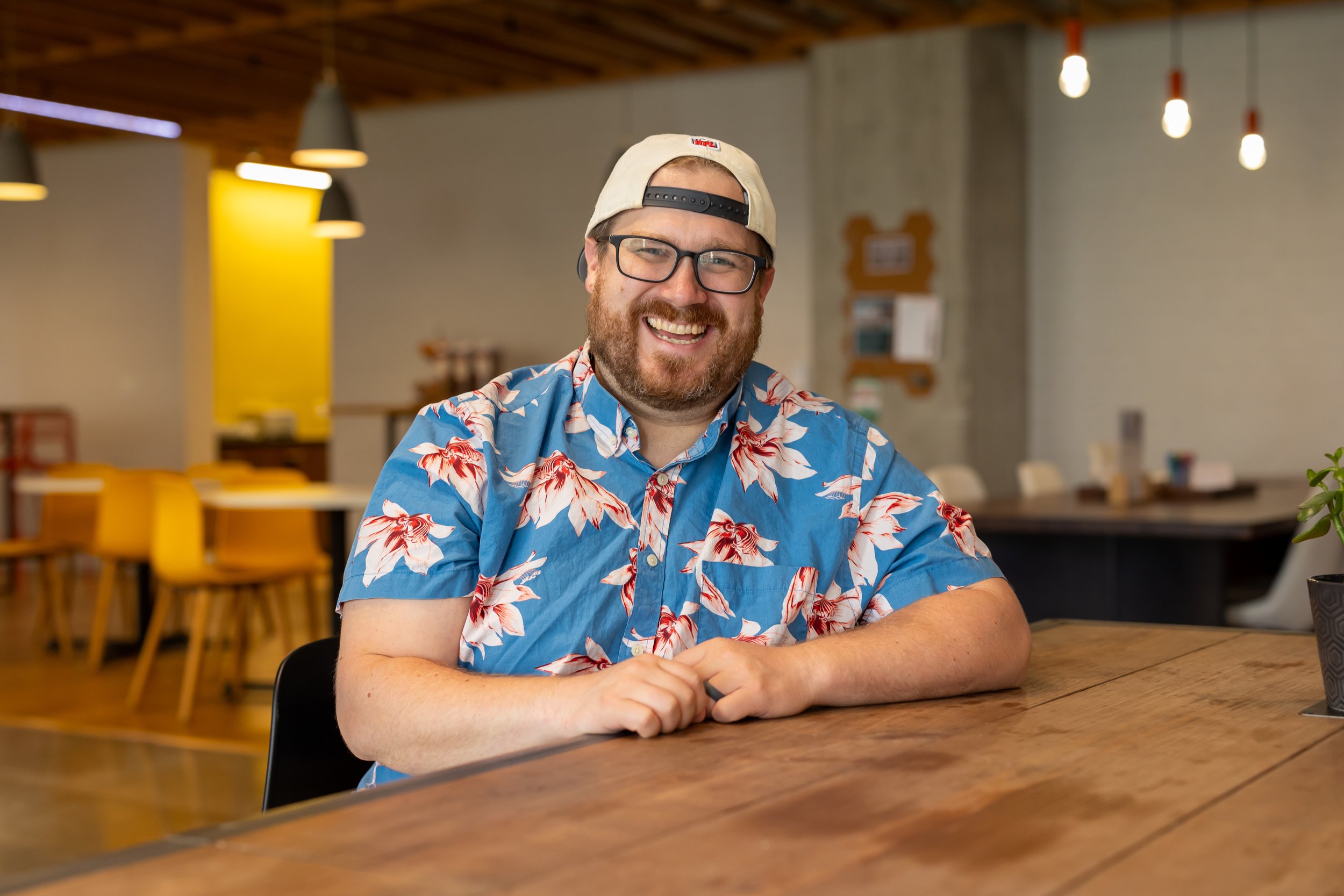
About Jeremiah Krakowski
Jeremiah Krakowski is a coaching business mentor who helps coaches, course creators, and consultants scale from $3k/mo to $40k+/mo using direct response marketing, AI systems, and proven frameworks. He runs Wealthy Coach Academy and has 23+ years of experience in digital marketing. Learn more →